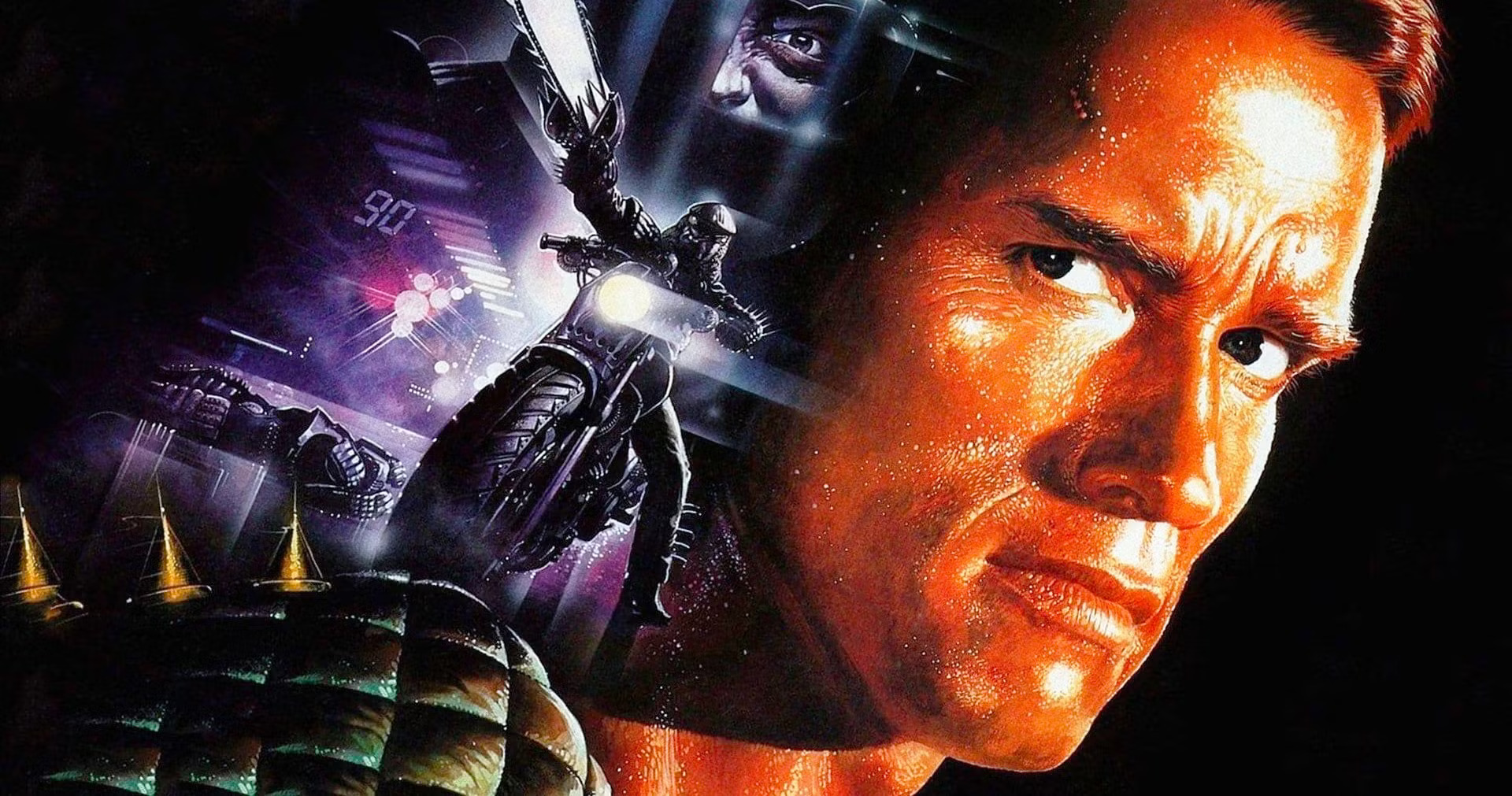
Everyone says The Running Man predicted reality TV.
Violence as entertainment.
People cheering while someone runs for their life.
That’s the surface-level take.
It’s not wrong.
It’s just incomplete.
The Real Truth
The Running Man didn’t predict what we would watch.
It exposed what we’re willing to accept… as long as it’s framed as entertainment.
That’s the difference.
The Game Was Never About Justice
In the film, Ben Richards isn’t just a contestant.
He’s a narrative.
The system doesn’t care whether he’s guilty or innocent.
It cares whether he’s:
- compelling
- marketable
- easy to frame as a villain
Because once the audience believes the story…
The outcome doesn’t matter.
Control Through Framing
The show doesn’t just broadcast reality.
It edits it.
Rewrites it.
Shapes it into something the audience can consume without questioning.
That’s the real mechanism:
Not control through force—but control through narrative.
If people believe what they’re seeing…
They won’t question what’s happening.
Why the Audience Accepts It
This is the part most people miss.
The audience in The Running Man isn’t evil.
They’re comfortable.
They’re entertained.
They’re told:
- the criminals deserve it
- the system is fair
- this is justice
So they watch.
And more importantly—
They enjoy it.
Now Look at Reality
We don’t have a show exactly like The Running Man.
But we do have:
- public humiliation as content
- viral takedowns
- people’s lives reduced to clips, headlines, and narratives
And just like the movie…
The story is already decided before the audience sees it.
The Illusion of Choice
People think they’re just “watching.”
But watching is participation.
Every view, every share, every reaction—
It reinforces the system.
Because the system doesn’t run on violence.
It runs on attention.
The Role of the Individual
Ben Richards fights the system physically.
But the real threat he poses isn’t strength.
It’s exposure.
When he disrupts the narrative—
when people start questioning what they’re being shown—
That’s when the system begins to crack.
Not before.
The Pattern
This is why The Running Man still feels relevant.
Not because we have the same technology.
But because we have the same structure:
- a system that frames reality
- an audience that consumes it
- individuals reduced to roles within it
The Part That Matters
The movie doesn’t ask:
“What happens when this system exists?”
It asks:
“Why do people accept it in the first place?”
And the answer isn’t fear.
It’s convenience.
The Running Man didn’t predict a future where people are forced to watch brutality.
It revealed a present where:
If the story is good enough… people will watch anything.